

The FIFA World Cup 2026 is set to be one of the largest sporting events in history. Beginning on June 11, the tournament will take place across stadiums in the United States, Canada, and Mexico. For the first time, 48 national teams will compete in 104 matches over a span of 39 days.
Welcome to Sportss.info, the place where true fans meet the heart of sports. We bring you fresh updates, inspiring stories, and insights from the world’s biggest games and hidden gems alike. From the roar of the FIFA World Cup 2026 to the spirit of the Olympics, every moment is covered with passion and clarity.

The event also coincides with America’s 250th anniversary. Many had believed would create a surge in travel, tourism, and especially hotel bookings in host cities. However, the expected wave of demand, particularly in the United States, has not yet fully materialized.
One reason, analysts say, is that ticket prices for matches in the United States are noticeably higher than prices for games in Canada and Mexico. This slower-than-expected growth in hotel bookings is also happening alongside a broader decline in inbound tourism to the U.S.
Tighter border controls, complicated visa processes, and ongoing trade and diplomatic tensions have made travel less convenient for many international visitors. These issues are not only affecting tourism but also influencing the hospitality, events, and construction industries.
Those usually benefit from major global sporting events. Although the main phase of ticket sales for the World Cup is still ahead, current hotel data shows. The U.S. is seeing weaker year-over-year growth in hotel room rates compared to its co-hosts.
FIFA World Cup: Higher Prices Still Reflect Confidence in Future Demand
Industry experts say several factors are contributing to this slower start, but the situation could change very quickly. The most important moment will come on December 5, when FIFA releases the final draw and official match schedule. Once fans know exactly where their teams will play, they will begin booking flights and hotels with more confidence.
Analysts widely expect this to trigger a sharp jump in demand in U.S. host cities. According to hospitality data firm Lighthouse, many hotels in FIFA World Cup 2026 host cities have implemented length-of-stay rules, such as requiring guests to book several nights at once.
While this strategy is meant to maximize profits, it has temporarily reduced the number of available rooms that appear bookable online. As a result, occupancy numbers look low still in the single digits in many U.S. host cities, even though the event is only nine months away.
The U.S. is also experiencing the slowest growth in hotel room prices among the three host nations. Mexico currently leads in price increases, followed by Canada, both of which are seeing faster early booking trends.
However, even with slower growth, hotel room prices for the FIFA World Cup 2026 period are still significantly higher than normal pricing in 2026 and even higher than prices for the same dates in 2025. Lighthouse describes this as evidence of strong expectations for future demand.
FIFA 2026: U.S. Hotels Raise Rates Despite Slower Early Interest
The difference is that Canada and Mexico are seeing more of that demand earlier. Partly due to smaller hotel markets and, in Mexico’s case, a deeply ingrained soccer culture that boosts local excitement and early commitment from fans.
In addition, the U.S. is predicted to see a decline in international travel spending in 2025. Stricter visa rules mean many overseas fans are hesitant to plan. Still, U.S. hotels in host cities have already adjusted their pricing strategies, with year-over-year rate increases that are above the national average.

The World Cup’s influence is already visible, but it just isn’t as dramatic yet as many originally expected. FIFA reports that more than one million tickets have already been sold, out of an estimated total of about 7.1 million available. This means the majority of tickets, around six million, are still up for grabs.
Because so many fans are waiting for the final draw to see where their teams will play. The largest wave of hotel bookings is still ahead, especially in the U.S. Many hotels also appear fully booked. Because they are holding rooms off the market until later or require multi-night package stays.
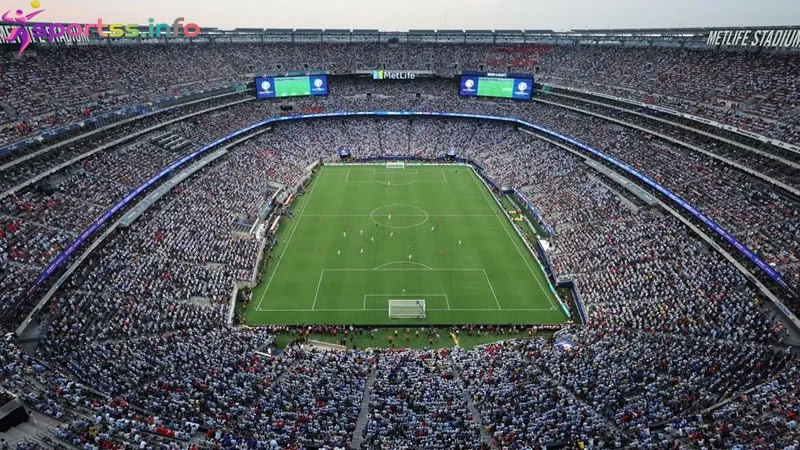
Another key issue affecting demand is ticket cost. FIFA’s official resale platform is now open. And prices for the FIFA World Cup final at MetLife Stadium in New Jersey currently range from about $9,538 to $57,500 per seat.
At Sportss.info, we bring you more than just scores and stats. You’ll find the latest sports news, real stories, and moments that truly matter to fans everywhere. From global tournaments to the rise of new athletes, our goal is to keep you close to the action that excites and inspires.
FAQS
Q1. When will the FIFA World Cup 2026 begin?
The FIFA World Cup 2026 will begin on June 11, 2026, and will run for 39 days across host cities in the United States, Canada, and Mexico.
Q2. How many teams will participate in the FIFA World Cup 2026?
A total of 48 national teams will compete, making it the largest FIFA World Cup tournament format ever held.
Q3. Why is the FIFA World Cup 2026 considered historic?
This edition is historic because:
It expands the competition from 32 to 48 teams.
It is jointly hosted by three countries for the first time.
It coincides with the 250th anniversary of the United States.
Q4. Why are hotel bookings slower in the United States compared to Canada and Mexico?
Hotel bookings in the U.S. are currently slower due to:
Higher ticket prices for matches in the U.S.
Stricter visa and travel requirements for international visitors.
Many fans are waiting for the final match schedule before confirming travel plans.
Q5. What is the significance of the final draw on December 5?
The final draw on December 5 will announce where each team will play. This is expected to trigger a major surge in hotel and flight bookings, especially in U.S. host cities.
Q6. Why do occupancy numbers look low even though the tournament is getting close?
Many hotels are using length-of-stay rules or holding back room inventory, making it appear as though fewer rooms are available. This strategy is meant to maximize profits once demand increases.
Q7. Which country is currently seeing the fastest increase in hotel prices?
Mexico is leading in hotel price growth, followed by Canada. The United States is experiencing the slowest early price growth, although prices are still higher compared to typical years.
Q8. How many World Cup tickets have been sold so far?
Over 1 million tickets have already been sold out of approximately 7.1 million available. This means around 6 million tickets are still unsold and likely to move closer to the final draw.
Q9. Why are ticket prices in the United States causing concern?
Ticket prices for matches in the U.S. are significantly higher than in Canada and Mexico. For example, tickets for the World Cup final in New Jersey currently range between $9,538 and $57,500 per seat. These price differences may push some fans to attend matches in Canada or Mexico instead.
Q10. Is the hotel demand expected to increase closer to the tournament?
Yes. Most analysts agree that the biggest surge in hotel bookings will occur after December 5, once fans know which cities their teams will play in.